NGOs and palm oil companies working together: concrete steps towards a sustainable palm oil industry
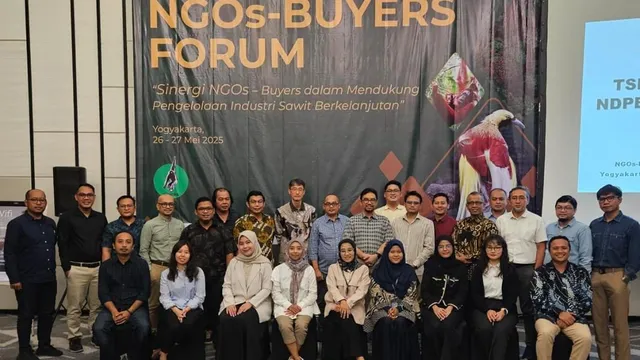
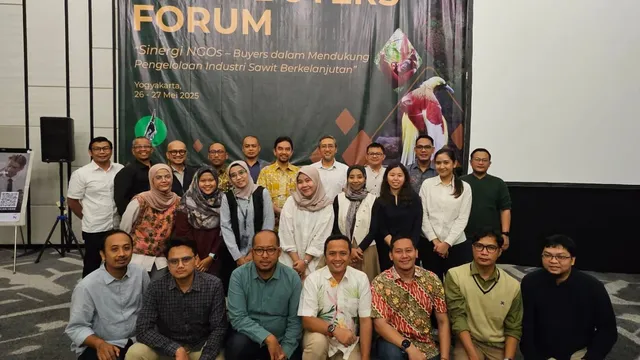
Yogyakarta, 27 May 2025 - To strengthen collaboration towards sustainable management of the palm oil industry, YAHYWA, together with partners from the private sector and civil society organisations, held a discussion forum titled “Synergy between NGOs and Buyers in Supporting Sustainable Management of the Palm Oil Industry” on 26-27 May 2025 in Yogyakarta. The forum was a strategic platform to evaluate and encourage the implementation of NDPE policies (No Deforestation, No Peat, No Exploitation) and recovery plans at a number of palm oil companies in Indonesia.
Commitment and concrete action by palm oil companies
Several companies that have begun their sustainability transformation presented their progress and the challenges they face in the field:
- PT Tunas Sawa Erma (TSE Group) presented its successful NDPE implementation up to the third phase, with a recovery area of 7,042.67 hectares. Its commitment to conserving endemic Papuan species and its open grievance system, in place since 2020, were the highlights.
- PT Internusa Jaya Sejahtera (IJS) showed its community-based approach, such as building a clinic, prohibiting child labour and restoring mangrove ecosystems in Merauke. The challenges of engaging customary leaders were a focus of discussion.
- PT Satya Agung (Mopoli Raya Group), a new member of the sustainability ecosystem, shared its plans to strengthen its sustainability department and its strategy for social engagement through local leaders in Aceh.
- PT MIP is a concrete example of NDPE implementation since 2018. Through a community-based approach and collaboration with the Village Forest Management Institution (LPHD), the company focuses its recovery on biodiversity, water and carbon.

The importance of multi-stakeholder collaboration and social challenges
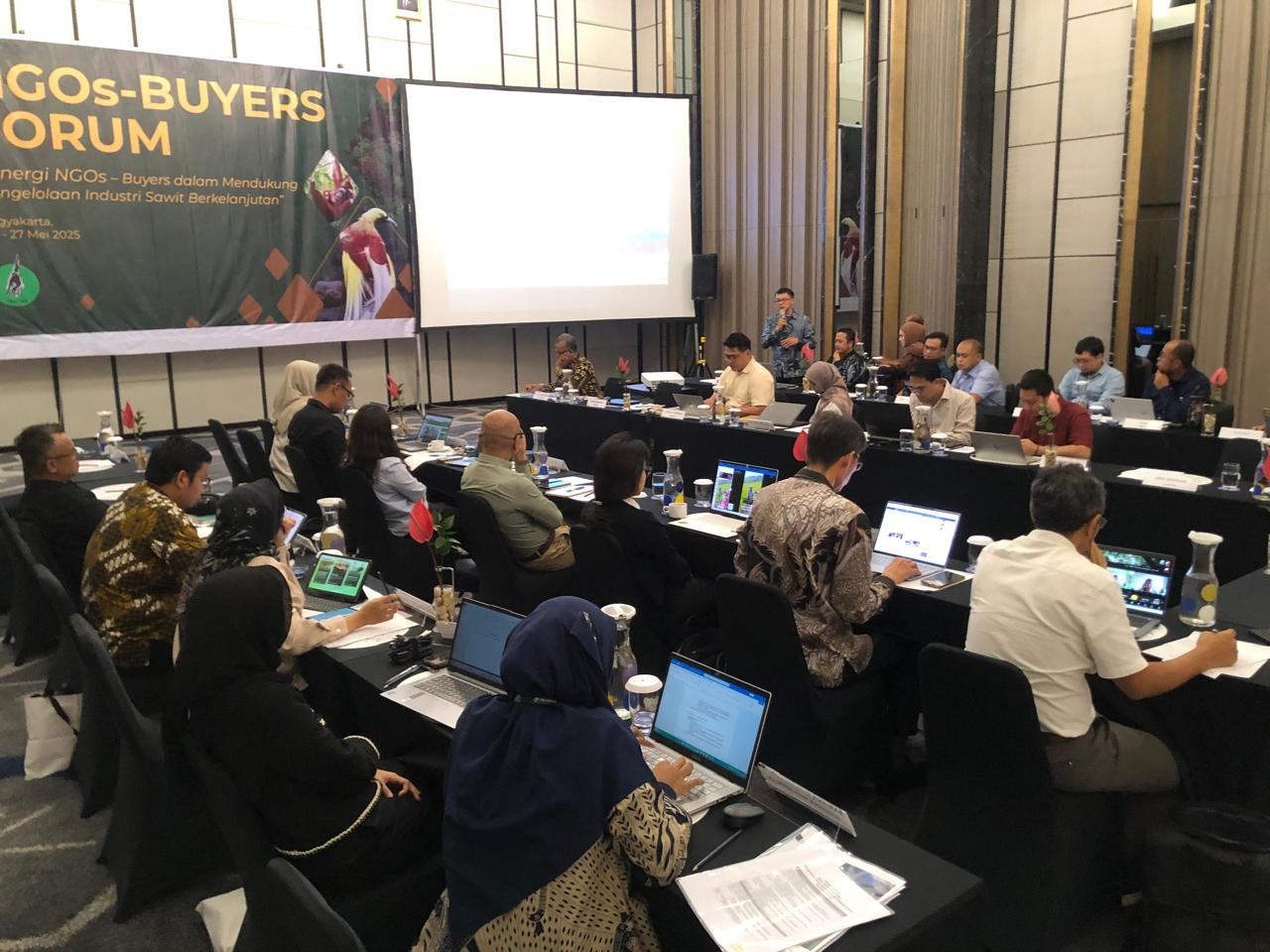
The discussion, involving stakeholders from NGOs such as WRI, WWF and EF as well as global buyers, highlighted the unique socio-anthropological challenges in Papua and Aceh. A contextual approach that involves customary leaders, churches and local Islamic boarding schools (pesantren) was an important point that continues to be encouraged.
Pak Rinekso Rumadi from IPB presented ten key notes at the close of the event, including the importance of biodiversity and carbon baselines, the need for periodic reporting, and harmonising a flexible and fair “hectare-to-programme” approach:
- An NDPE policy is an effort to build awareness and commitment among all parties in developing a sustainable palm oil industry: towards conserving biodiversity and its habitat, controlling climate change, improving community wellbeing and developing the region.
- NDPE implementation is often held back by communities or plasma smallholders wanting to open plantations in HCV/HCS areas, so a socio-anthropological approach is needed, especially with communities in Papua. FPIC is important, as is an understanding by all parties, especially buyers, of the conditions that are exempted under strict control.
- Since implementing the policy is voluntary and there are no binding rules yet, conversions or calculations from “hectares to programme” or “hectares to rupiah” can use a particular approach or benchmark, adjusted to each company's capacity and willingness.
- NDPE policies are not intended to hinder development, and recovery plans are a safeguard to ensure the sustainability of the palm oil industry, as well as an expression of commitment to that sustainability.
- When drawing up recovery plans, guidance should be prepared as a standard or benchmark that all parties can refer to when implementing them, following the principles of objectivity, transparency, participation, fairness and accountability.
- Shared thinking is needed on developing the palm oil industry in Papua and Aceh from the perspective of landscape-based management and its sustainability, given that the social and cultural conditions of their communities differ. In future, “end users” should be invited to understand the conditions of sustainable palm oil management, both globally and with local specifics in mind, including the social and cultural context of the communities.
- Progress reports and updates on NDPE policy implementation, as set out in recovery plans, should be published periodically so that those who need them can access them.
- Recovery plans must avoid double claiming between a company's existing obligations and the recovery obligations planned as part of its NDPE policy in support of sustainability.
- Several organisations have developed criteria and indicators for recovery plans, which can be used to improve the tools developed by YAHYWA.
- Recovery plans should start from a good baseline (biodiversity, carbon, water, socio-economic and cultural) so that the impact of each intervention or treatment can be measured.
Towards stronger collaboration, standards and practice
The forum confirmed that NDPE policies are not an obstacle but a strategic opportunity, through collaboration, standardisation and strong practice, to build a palm oil industry that is sustainable, legal and socially just. Going forward, YAHYWA and its partners are committed to developing standard guidance for recovery plans that is objective, transparent and accountable.